Kids will always be kids. So when kids brush their teeth, they may not remove all bacteria and food particles. Grooves in premolars and molars are narrow, which makes them hard to clean and perfect places for plaque to build up. Dental sealants add an extra layer of protection over deep grooves to keep out food, bacteria, and plaque.
Book Now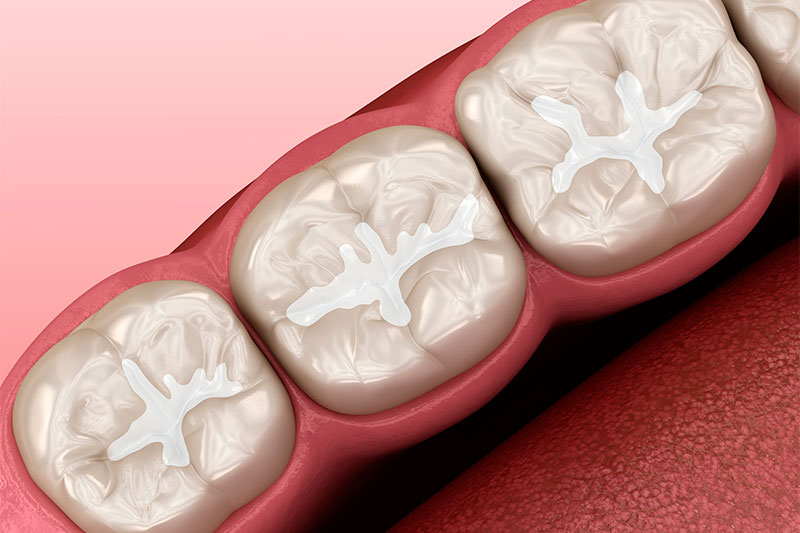
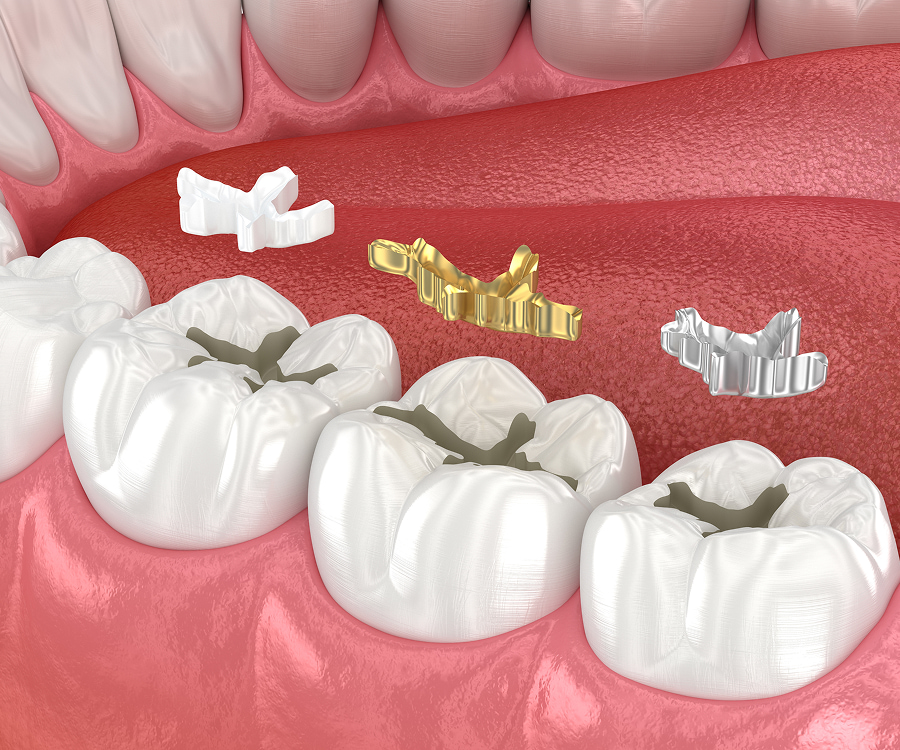
They are thin plastic coatings that are painted on the surfaces of teeth to protect the enamel from plaque and decay. Plaque is produced on the teeth when starch and sugar particles (from food) mix with bacteria. Acids in the plaque can erode the tooth enamel and create a cavity.
Dental sealants are not just for kids. Even babies with a high risk of tooth decay can have sealants done to prevent early tooth loss. And because dental sealants are a preventive dentistry treatment, most dental insurance plans cover them.
Parents who do not have dental insurance should still consider paying for dental sealants to give their kids extra protection from cavities. A dental sealant treatment can cost less than dental restorations to fix cavities.
To apply a dental sealant, a children's dentist cleans and dries the tooth. The dentist then applies an acidic gel to roughen up the tooth’s surface so the dental sealant can stick to the tooth. The dentist then applies the sealant to the tooth and uses a laser, or UV light, to harden it.
Dental sealants can help protect teeth for up to ten years. A children's dentist can monitor a child’s teeth during annual check-ups in case the sealants need to be redone sooner.
If you would like to learn more about dental sealants for your child, please call our office to make an appointment with the dentist who will answer all your questions and get your child on the road to better oral health.
Book Now
Dental sealants are made of a safe, BPA-free plastic resin material. They are painted onto the chewing surfaces of the back teeth (molars and premolars) and hardened with a UV light. The material is tooth-colored and nearly invisible once applied.
Dental sealants can protect teeth for up to 10 years. Our dentist monitors them at each regular check-up. If a sealant chips or wears away, it can easily be re-applied to maintain protection.
Yes, dental sealants are safe and highly recommended by the American Academy of Children's Dentistry. The application is painless and non-invasive — no drilling or needles are involved. Sealants have been used safely in dentistry for decades.
The best time to apply sealants is shortly after the permanent molars erupt — usually around age 6 for first molars and age 12 for second molars. However, sealants can be placed on baby teeth as well if they have deep grooves and the child is at high risk for cavities.