

Losing several teeth can affect much more than the appearance of a smile. It may make eating, speaking, and social situations feel more difficult. Fortunately, today’s dentures offer practical and natural-looking ways to restore missing teeth.
Patients researching dentures in Wilmington, NC have several options, from removable partial dentures to complete and implant-retained designs. The right choice depends on how many teeth are missing, the condition of the mouth, personal preferences, health needs, and budget.
This guide explains the most common denture options, what treatment generally involves, and how patients can keep their mouths comfortable and healthy.
This article provides general educational information and is not a diagnosis or personalized treatment recommendation. A dentist or prosthodontist should evaluate the mouth before recommending a tooth-replacement option.
What Are Dentures?
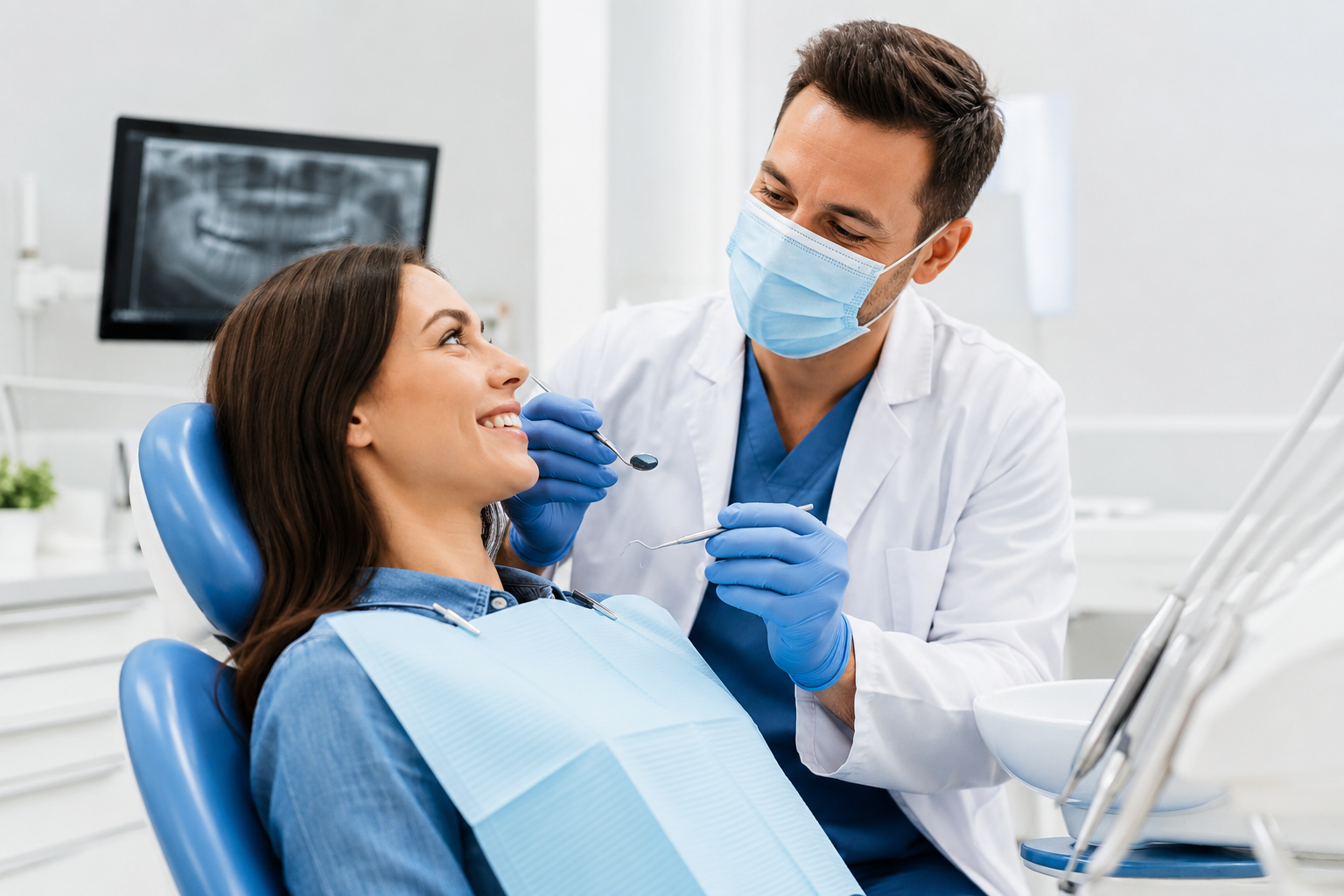
Dentures are custom-made dental appliances designed to replace missing teeth and nearby gum tissue. Depending on the design, they may rest on the gums, attach to remaining teeth, or connect to dental implants.
Modern dentures are made to look more natural than many people expect. Dental laboratories can customize the shade, shape, and arrangement of the replacement teeth. The base can also be colored to blend with the patient’s gums.
Dentures do not feel exactly like natural teeth, and an adjustment period is normal. However, a carefully planned appliance can help improve chewing, speech, facial support, and confidence.
Types of Dentures Available
“Dentures” is a broad term covering several types of tooth-replacement appliances. Understanding the basic differences makes it easier to discuss treatment with a dentist.
Complete dentures
Complete, or full, dentures replace all the teeth in the upper jaw, lower jaw, or both. Traditional complete dentures are removable and generally rely on the shape of the gums and jaw ridge for support.
An upper denture usually covers the roof of the mouth, while a lower denture has a horseshoe shape that leaves room for the tongue. Because the lower jaw offers less surface area for support, lower dentures may require more practice or additional stabilization.
Partial dentures
A partial denture replaces several missing teeth when some healthy natural teeth remain. It typically uses a gum-colored base with replacement teeth and may include clasps or other attachments that help hold it in position.
Partial dentures can fill visible gaps and make chewing more balanced. They may also help keep nearby teeth from shifting into open spaces. The exact design depends on the location of the missing teeth and the health of the remaining teeth and gums.
Immediate dentures
Immediate dentures are inserted shortly after selected teeth are removed, allowing a patient to avoid going without teeth during early healing. They are made in advance, so the dentist must estimate how the mouth will look after the extractions.
The gums and supporting tissues change shape as they heal. As a result, immediate dentures often need adjustments, relining, or eventual replacement. According to the Cleveland Clinic’s denture overview, some immediate dentures serve as temporary appliances, while others may be used differently based on the individual treatment plan.
Implant-retained dentures
Implant-retained dentures connect to dental implants rather than depending entirely on the gums and jaw ridge. Depending on the design, the denture may snap off for home cleaning or remain fixed in place for professional removal.
Not every patient is automatically a candidate for dental implants. A clinician must review bone support, gum health, medical history, medications, tobacco use, and the patient’s ability to maintain the restoration.
Implant treatment also involves separate stages. Early symptom recovery after surgery is not the same as soft-tissue healing. Healing of the gum tissue is also different from osseointegration, the process through which an implant becomes stable in the jawbone. The final denture or restoration may not be completed until the dentist confirms that the appropriate healing milestones have occurred. Individual timelines vary, so patients should follow the schedule provided by their treatment team.
What Happens During the Denture Process?
The process begins with a comprehensive examination. The dentist may evaluate the teeth, gums, bite, jaw structure, and overall oral health. Dental X-rays or other records may be needed before treatment can be planned.
If teeth can be saved predictably, the dentist may discuss treatments that preserve them. When replacement is appropriate, the conversation may include dentures, dental bridges, implants, or a combination of options.
For a removable denture, treatment commonly includes impressions or digital scans, bite measurements, and selection of tooth shape and color. A trial fitting may allow the patient and dentist to review the appearance and bite before the final appliance is completed.
Once the denture is delivered, follow-up appointments are important. Even a small pressure point can become uncomfortable. Patients should not attempt to reshape or file a denture at home, because doing so can damage the appliance and make its fit worse.
Adjusting to New Dentures
New dentures can initially feel bulky or unfamiliar. Saliva production may temporarily increase, and certain words or foods may require practice. Mild pressure is different from persistent pain, sharp edges, or sores that do not improve.
Helpful adjustment tips include:
- Begin with soft foods cut into small pieces.
- Chew slowly and use both sides of the mouth when possible.
- Practice reading aloud to become comfortable speaking.
- Follow the dentist’s instructions about when to remove the appliance.
- Attend recommended adjustment appointments.
- Call the dental office if pain, sores, or instability interfere with eating or speaking.
Sore areas can occur soon after a new denture is fitted. Cambridge University Hospitals advises that clinicians can identify and adjust pressure areas rather than having patients tolerate significant discomfort. Its denture-care guidance also notes that the mouth naturally changes over time, which can cause dentures to loosen.
How to Clean and Care for Dentures
Dentures still require daily care even though they cannot develop cavities in the same way natural teeth do. Plaque, food debris, and stains can collect on their surfaces. The gums, tongue, and any remaining teeth also need attention.
A practical routine generally includes:
- Rinsing the denture after meals when practical.
- Cleaning it daily with a denture brush or soft brush.
- Using a cleanser recommended for the denture material.
- Brushing the tongue, gums, and remaining natural teeth gently.
- Handling the appliance over a folded towel or basin of water to reduce the chance of breakage if dropped.
- Storing removable dentures as directed when they are not being worn.
Regular toothpaste may be too abrasive for some denture materials. Hot water can also distort certain appliances. Patients should follow the instructions given by their dentist and the denture manufacturer.
Removing a denture does not eliminate the need for dental checkups. A dentist can examine the gums and other oral tissues, screen for problems, assess remaining teeth, and check the condition and fit of the appliance.
Signs a Denture May Need Adjustment or Replacement
The mouth continues to change after teeth are lost. Gum tissue and the underlying ridge may gradually change shape, while denture teeth and base materials can wear with use. A denture that once fit well may therefore become loose.
Schedule a dental evaluation if a denture:
- Moves, slips, or clicks during normal use
- Causes recurring sore spots
- Makes chewing increasingly difficult
- Appears cracked, chipped, or worn
- Changes the way the teeth meet
- Requires increasing amounts of adhesive to remain stable
- Contributes to persistent irritation, odor, or altered speech
A loose denture does not always require complete replacement. Depending on its age, condition, and bite, a dentist may recommend an adjustment, reline, rebase, repair, or new appliance. Only an in-person evaluation can determine the appropriate solution.
What Affects the Cost of Dentures in Wilmington, NC?
Denture fees vary considerably, so advertised starting prices may not represent the total treatment cost. A personalized estimate should explain what is included and whether follow-up adjustments carry separate fees.
Common cost factors include:
- Whether the patient needs a partial or complete denture
- The materials and laboratory techniques used
- The number and condition of remaining teeth
- Extractions or other preparatory treatment
- The need for temporary or immediate dentures
- Relines, repairs, and follow-up visits
- Dental implant placement and related procedures
- Insurance benefits, deductibles, and annual limits
Patients comparing Wilmington dental offices should request written treatment plans and ask whether the quote includes examinations, imaging, temporary appliances, adjustments, and the final restoration. The least expensive option may not provide the best fit, materials, or long-term value for every person.
Questions to Ask at a Denture Consultation
A consultation is an opportunity to understand both the benefits and limitations of each option. Useful questions include:
- Can any of the remaining teeth be preserved?
- Which type of denture fits this person’s oral health and daily needs?
- Would a removable or implant-retained design be appropriate?
- What steps are included in the proposed treatment?
- Will a temporary appliance be needed?
- What costs are included in the written estimate?
- How should the denture be cleaned and stored?
- Who should be contacted if the appliance causes a sore spot or breaks?
- How often should its fit be checked?
Frequently Asked Questions About Dentures
Will dentures look natural?
Modern dentures can be customized to complement the patient’s facial features, gums, and remaining teeth. Results depend on the materials, design, laboratory work, and clinical plan. Patients should discuss tooth color, size, shape, and overall appearance before the final appliance is completed.
Can a person eat normally with dentures?
Many people eat a varied diet with well-fitting dentures, although learning to chew with them takes practice. New wearers usually benefit from starting with softer foods and gradually adding firmer textures. Hard, sticky, or difficult-to-chew foods may remain challenging for some patients.
Should denture adhesive be necessary?
A small amount of adhesive may add confidence for some wearers, but it should not routinely compensate for a painful, damaged, or poorly fitting denture. Increasing movement or heavy reliance on adhesive deserves a dental evaluation.
Can someone sleep in dentures?
Patients should follow their dentist’s individual instructions. Many removable-denture wearers are advised to take the appliance out regularly so the oral tissues can rest and the denture can be cleaned. Certain treatment situations may require different short-term directions.
How long do dentures last?
There is no single replacement schedule for every patient. Wear, damage, oral changes, hygiene, and the original materials all affect longevity. Regular examinations help identify when adjustment, relining, repair, or replacement is needed.
Are dentures commonly used for children?
Traditional adult dentures are not a routine pediatric treatment. Children with missing teeth due to development, injury, or another condition may need a customized pediatric appliance and coordinated care as their jaws grow. A pediatric dentist can evaluate the child and recommend monitoring, a space-maintaining appliance, or referral to another dental specialist when appropriate.
Finding the Right Next Step in Wilmington
The best tooth-replacement plan balances comfort, oral health, appearance, maintenance, and cost. Anyone considering dentures in Wilmington, NC should schedule an examination with a dentist who provides removable prosthodontic care or works closely with a prosthodontist or implant provider.
For families seeking compassionate children’s dental care in Wilmington, NC, Masonboro Kids Dentistry provides preventive and restorative care for infants through teens. Parents with concerns about a child’s missing tooth, early tooth loss, injury, or developing smile can contact the practice to ask questions and arrange an age-appropriate evaluation. Adults seeking conventional or implant-retained dentures should consult a dental professional who offers those specific services.